
Cultivating Assertiveness Skills as a Scrum Master in Agile Methodologies

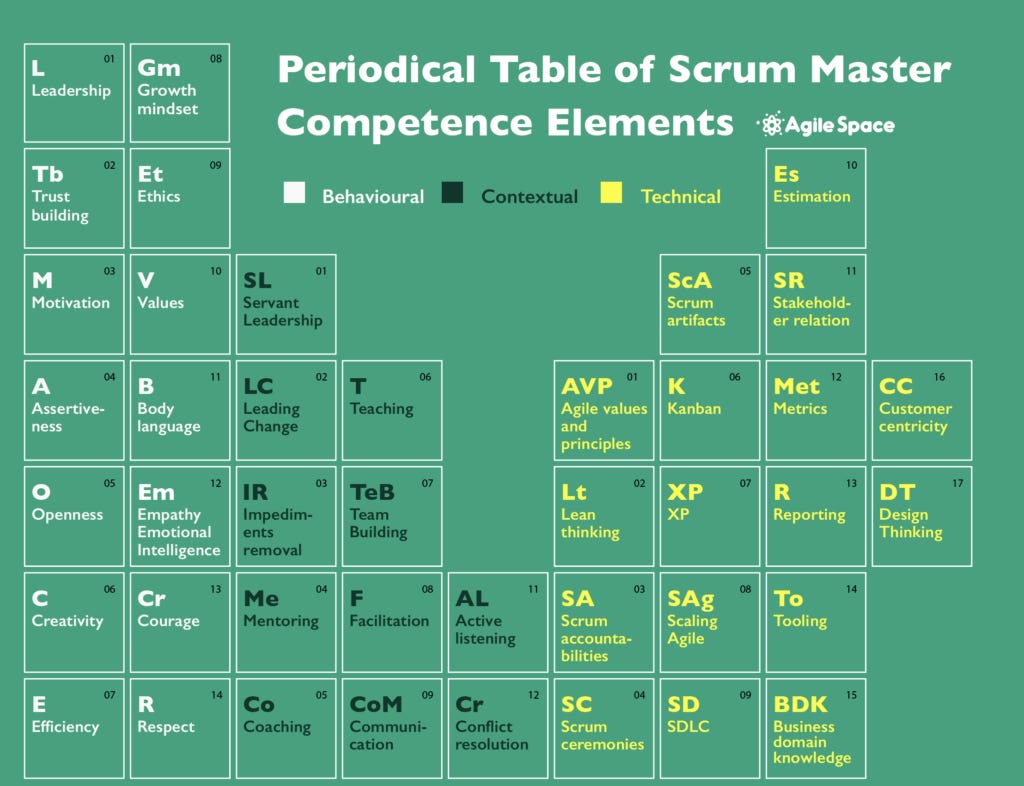
In the dynamic world of Agile methodologies, the Scrum Master plays a crucial role in guiding teams towards success. Assertiveness is an essential skill for Scrum Masters, as it enables them to effectively lead, facilitate, and resolve conflicts within the team.
Understanding Assertiveness
Assertiveness is the ability to communicate one's thoughts, feelings, and needs in a clear and respectful manner. It involves standing up for oneself without being aggressive or passive. Assertive individuals are able to set boundaries, express their opinions, and negotiate effectively.
Benefits of Assertiveness for Scrum Masters
Effective Communication: Assertiveness allows Scrum Masters to convey expectations, provide feedback, and resolve conflicts with clarity and confidence.
Improved Team Dynamics: When Scrum Masters are assertive, team members feel respected and empowered to share their ideas and perspectives.
Increased Collaboration: Assertiveness fosters open communication and enables team members to work together harmoniously towards a common goal.
Enhanced Problem Solving: By being assertive, Scrum Masters can effectively facilitate discussions and guide teams towards finding solutions to challenges.
Improved Conflict Resolution: Assertiveness empowers Scrum Masters to handle conflicts constructively and find mutually acceptable solutions.
Cultivating Assertiveness as a Scrum Master
Practice Active Listening: Actively listen to team members' perspectives and concerns to understand their needs and motivations.
Use 'I' Statements: Express your thoughts and feelings using 'I' statements to take ownership of your perspective. For example, instead of saying 'You're not meeting the deadlines,' say 'I'm concerned about the current pace of work.'
Set Boundaries: Clearly define your expectations and boundaries as a Scrum Master. Communicate these boundaries respectfully to team members.
Seek Support: Don't hesitate to seek support from other team members, the Product Owner, or the Agile Coach when necessary.
Be Respectful: Always maintain a respectful tone and avoid using aggressive or confrontational language.
Practice Patience: Assertiveness takes practice and time to develop. Be patient with yourself and others as you cultivate this skill.
Role Model Assertiveness: Demonstrate assertive behavior by setting a positive example for team members.
Conclusion
Assertiveness is a vital skill for Scrum Masters in Agile methodologies. By cultivating this skill, Scrum Masters can effectively lead, facilitate, and resolve conflicts within their teams. Assertiveness fosters open communication, improves team dynamics, and ultimately enhances the success of Agile projects. By following the strategies outlined in this blog post, Scrum Masters can develop the assertiveness they need to succeed in their role.